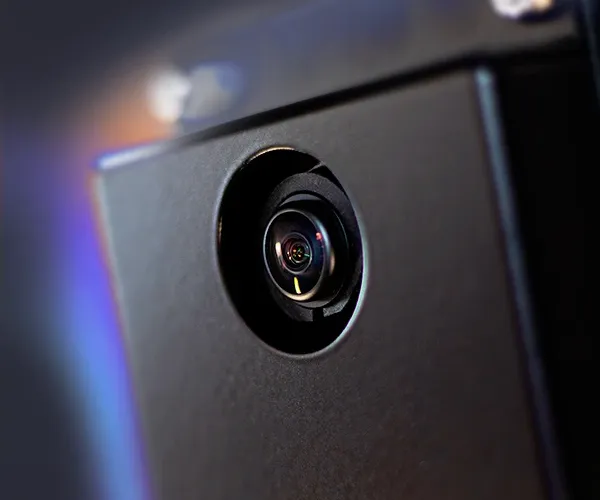
Professional Laser Cutting Machines for Precision Manufacturing
and Production

What Is a Laser Cutting Machine?

A laser cutting machine uses a focused beam of light to precisely cut, engrave, and mark materials without physical contact. Unlike traditional CNC routers or mechanical cutting systems, laser cutting offers exceptional detail, smooth edges, and minimal material waste.

Epilog’s CO2 laser systems utilize flying-optics technology, where mirrors direct the laser beam across the work area while the material remains stationary. This allows for faster processing speeds, higher precision, and consistent results across production runs.
Whether you’re creating custom signage, architectural models, retail displays, personalized products, or production parts, the right laser cutting machine can transform your workflow. Epilog’s USA-designed and engineered laser cutting machines combine industrial-grade performance, high-speed precision, and long-term reliability to help businesses increase productivity and expand their capabilities.

From small businesses looking to scale production to manufacturers seeking a high-performance industrial laser cutter, Epilog Laser machines deliver the speed, accuracy, and versatility needed to produce exceptional results across a wide range of materials.

Why Businesses Choose Epilog Laser Cutting Machines

Choosing a laser cutting machine is about more than comparing specifications, it’s about selecting a partner that can support your business for years to come. While many laser systems can cut materials, Epilog is designed to help businesses produce more, waste less, and grow with confidence.

Many companies start with an entry-level laser, but eventually encounter limitations in speed, reliability, workflow efficiency, and production capacity. Epilog systems are engineered to eliminate those bottlenecks, helping businesses increase throughput while maintaining exceptional quality.

Whether you’re producing a handful of custom products or thousands of parts per month, Epilog provides the tools needed to scale efficiently.

Key Benefits of Laser Cutting

  • Non-contact cutting eliminates tool wear
  • Extremely precise cuts and fine detail
  • Minimal kerf and clean edges
  • Fast setup and processing times
  • Ability to cut intricate designs
  • Reduced material waste
  • Consistent, repeatable production

Epilog Advantages:

Up to 120 IPS engraving speeds

Faster throughput and increased production capacity

Industrial-grade RF metal/ceramic laser tubes

Long-lasting performance and reduced downtime

IRIS™ Camera Positioning System

Accurate placement and reduced material waste

Precision servo motors

Consistent results at scale

Engineered and supported from our Colorado headquarters

Fast assistance when you need it

    How to Choose the Right Laser Cutter

    Selecting the right laser cutting machine depends on the materials you process, production volume, workspace requirements, and business goals.

    CO2 laser cutters are ideal for cutting and engraving organic materials and plastics. They provide excellent edge quality and are widely used in signage, awards, packaging, personalization, education, manufacturing, and industrial production environments.

    Laser wattage directly impacts cutting speed
    and material thickness.

    Businesses focused on production often benefit from higher wattage systems that reduce cycle times and increase daily output.

    Laser Cutter Size and Wattage Guide

    WattageIdeal Applications
    30W–50W
    Engraving, cutting thin materials, personalization
    60W–80W
    General-purpose cutting and engraving
    100W–120W
    Production environments and thicker materials
    120W–200W
    High-volume cutting and industrial applications

    Materials You Can Laser Cut

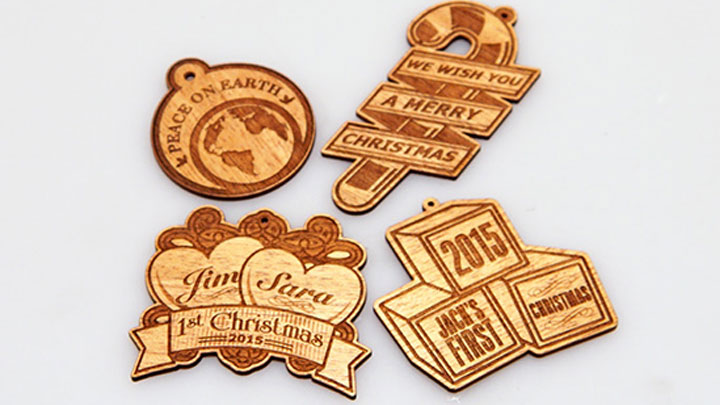
    engraved and cut out wooden christmas ornaments

    Wood Laser Cutting

    Laser cutting wood produces smooth, detailed cuts without physical contact. Popular materials include:

    • Birch plywood
    • MDF
    • Basswood
    • Hardwoods
    • Veneers

    Typical Acrylic Thicknesses

    • Signage
    • Decorative wall art
    • Architectural models
    • Custom gifts
    • Packaging

    0.5 in. clear acrylic pear shape cut with epilog laser

    Acrylic Laser Cutting

    Acrylic remains one of the most popular laser-cutting materials because it produces flame-polished edges directly from the laser.

    Common Acrylic Products

    • Retail displays
    • Awards
    • LED signage
    • POP displays
    • Product packaging

    Typical Acrylic Thicknesses

    WattageCutting Thickness
    30W – 40WUp to 1/8″ (3.1 mm)
    50W – 60WUp to 1/4″ (6.3 mm)
    80W – 100W3/8″ (9.5 mm)
    120W1/2″ (12.7 mm)
    200W3/4″ (19 mm)

    Note: Cutting performance depends on laser wattage, acrylic type, and material quality. These values are recommended starting points, and results may vary.


    Hole Cut out of Leather with a Laser

    Fabric and Textile Cutting

    Laser cutting allows manufacturers to cut complex textile patterns without fraying. Popular applications include:
    • Custom apparel and fashion accessories
    • Embroidery appliqués
    • Patches
    • Home décor
    • Promotional textile products

    Laser Cut Rubber Gaskets

    Rubber

    Manufacturers frequently use laser cutting for:

    • Custom gaskets
    • Seals
    • Industrial components
    • Stamps

    Industrial Laser Cutters vs Desktop Laser Systems

    Businesses evaluating a laser upgrade often compare hobbyist machines to industrial systems.

    FeatureDesktop SystemsIndustrial Epilog Systems
    Production Speed
    Limited
    High-speed processing
    Duty Cycle
    Occasional use
    Continuous production
    Positioning Accuracy
    Moderate
    Industrial-grade precision
    Workflow Integration
    Often limited
    Seamless professional workflow
    Support
    Variable
    Dedicated US-based support
    Long-Term Reliability
    Consumer-grade
    Industrial-grade engineering
    For businesses processing customer orders daily, investing in a commercial laser cutter can significantly improve throughput, consistency, and profitability.

    How Much Does a Laser Cutter Cost?

    Laser cutter pricing varies based on:

    Features:

    • Work area size
    • Laser wattage and source (glass laser tubes may be less expensive in the short term but RF metal/ceramic tubes provide better results and have a longer lifespan.)
    • Production capabilities
    • Camera systems
    • Automation features

    Ownership Cost:

    While entry-level desktop systems may have lower upfront costs, professional businesses often evaluate total cost of ownership, including:
    • Production capacity
    • Downtime
    • Material waste
    • Maintenance requirements
    • Support availability
    • Resale value
    For growing businesses, productivity gains often provide a stronger return on investment than initial purchase price alone.

    Industry-Leading Features: The Epilog Advantage

    Engrave almost any metal

    IRIS™ HD+ Camera Positioning System

    Accurate part placement is one of the biggest challenges in laser marking. Epilog's IRIS™ HD+ Camera System allows operators to view their workpiece directly on-screen and position artwork precisely where it belongs.

    Benefits include:

    • Faster setup
    • Reduced material waste
    • Improved accuracy
    • Easier handling of irregularly shaped parts

    Simply drag and drop artwork onto the live camera image and print!

    A rack of epilog laser co2 metal laser tubes

    Epilog RFX™ Laser Tubes

    At the heart of every Epilog CO₂ laser system is an Epilog-engineered RFX™ metal and ceramic RF laser tube, designed and manufactured in-house in Golden, Colorado. By controlling the entire process, we ensure the performance, quality, and reliability businesses depend on every day.

    Benefits include:

    • Manufactured In-House for exceptional quality control
    • Superior Beam Quality for precise engraving and clean cutting
    • Reliable Performance in demanding production environments
    • Long-Term Durability with robust metal and ceramic construction
    Rotary Attachment in use

    Print from Your Existing Software

    Many industrial marking systems require proprietary software and complex workflows. Epilog systems allow users to work directly from familiar design programs such as:

    • Adobe Illustrator
    • CorelDRAW
    • AutoCAD
    • SolidWorks-compatible workflows
    • Other Windows-based graphics applications

    For Mac users, we also offer Epilog Pulse, a web-based app that enables our users to send jobs to the laser from their Mac, PC, or tablet – any device where you can access a browser.

    Printing multiple objects in single pass

    Get connected with PrintAPI

    Epilog's PrintAPI gives businesses and software developers the ability to integrate Epilog laser systems directly into existing workflows, production software, and custom applications. By connecting your laser to the systems you already use, PrintAPI helps eliminate manual steps, reduce errors, and improve operational efficiency.

    • Automate Job Submission – Send laser jobs directly from your software to the machine.
    • Improve Workflow Efficiency – Integrate with ERP, MES, ecommerce, and custom business systems.
    • Scale Production Operations – Support higher job volumes without increasing administrative workload.
    • Enable Custom Solutions – Build workflows tailored to your unique business requirements.

      FAQ

      How does a laser cutting machine work?

      A laser cutting machine focuses a concentrated beam of light onto a material's surface, vaporizing or melting the material to create a clean cut. Motion systems guide the beam with extreme precision to produce detailed designs and parts.

      What materials can be laser cut?

      CO2 laser systems can cut wood, acrylic, leather, fabric, paper, cardboard, rubber, and many plastics. They can also engrave glass, stone, and coated metals.

      How thick can a laser cutter cut?

      Maximum cutting thickness depends on material type, laser wattage, and desired edge quality. Higher wattage systems can process thicker materials more efficiently.

      Can a CO2 laser cut metal?

      CO2 lasers are primarily designed for non-metal materials. They can mark coated metals and anodized aluminum but are not intended for cutting bare metals.

      What software is used with laser cutters?

      Most professional laser systems work with popular design software such as Adobe Illustrator, CorelDRAW, AutoCAD, and other vector-based design programs.

      What is the best laser cutter for a small business?

      The best laser cutter depends on your products, production volume, and growth plans. Businesses planning to scale often benefit from professional-grade systems that offer greater speed, reliability, and workflow efficiency.

      Ready to Find the Right Laser Cutting Machine?

      Whether you're expanding a growing business or upgrading from a desktop system, Epilog Laser cutting machines provide the precision, speed, and reliability needed to produce exceptional results every day.

      Request pricing, receive expert guidance, or schedule a live demonstration to discover which Epilog system is the best fit for your business.