Passa al contenuto principale
Applicazioni laser

Incisione laser e incisione su vetro

Personalizza una vasta gamma di articoli in vetro con un semplice tocco.

Aggiungi l'incisione su vetro ai tuoi servizi di personalizzazione

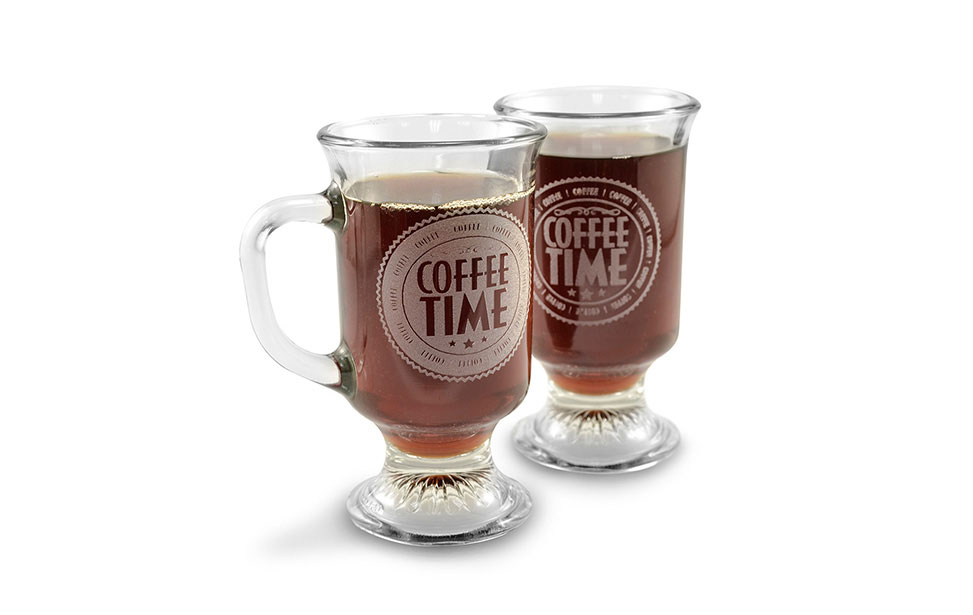
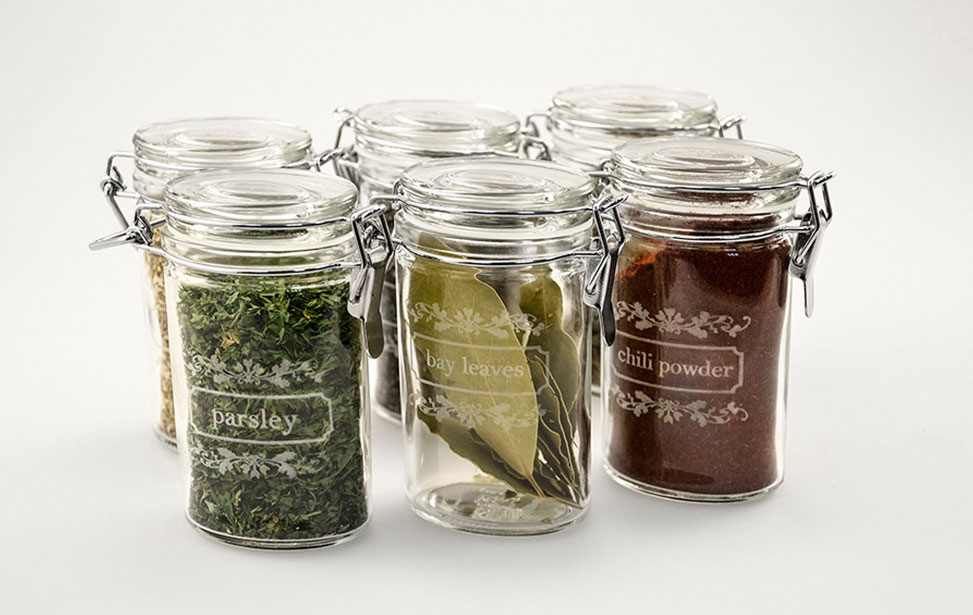
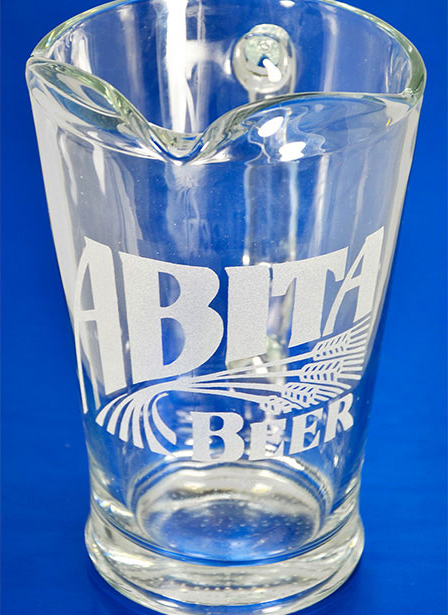
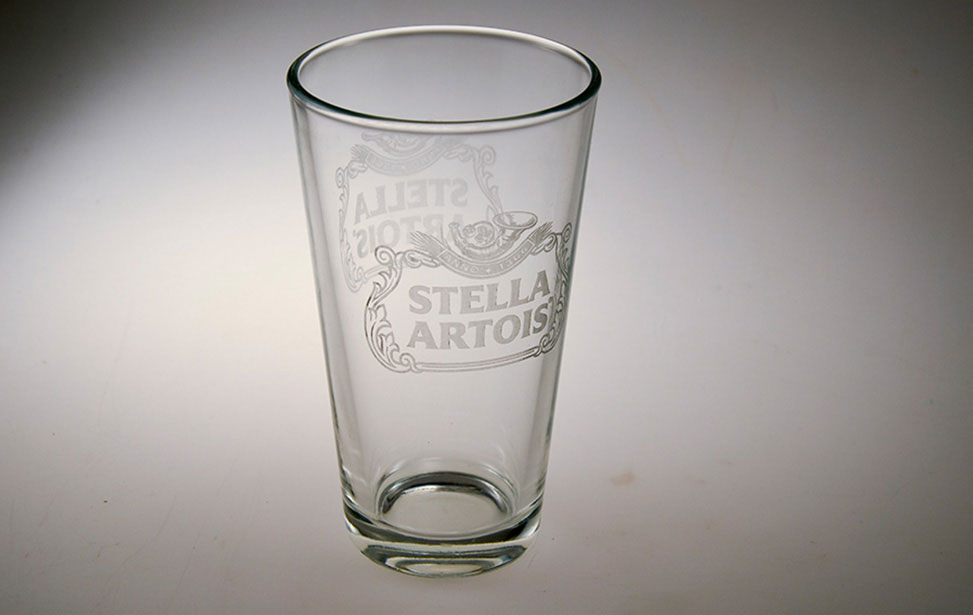
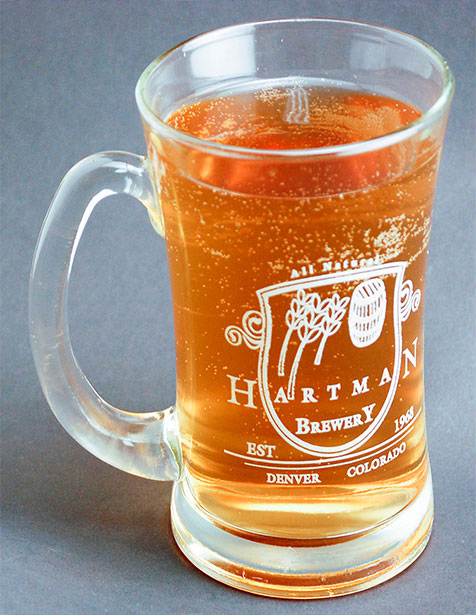
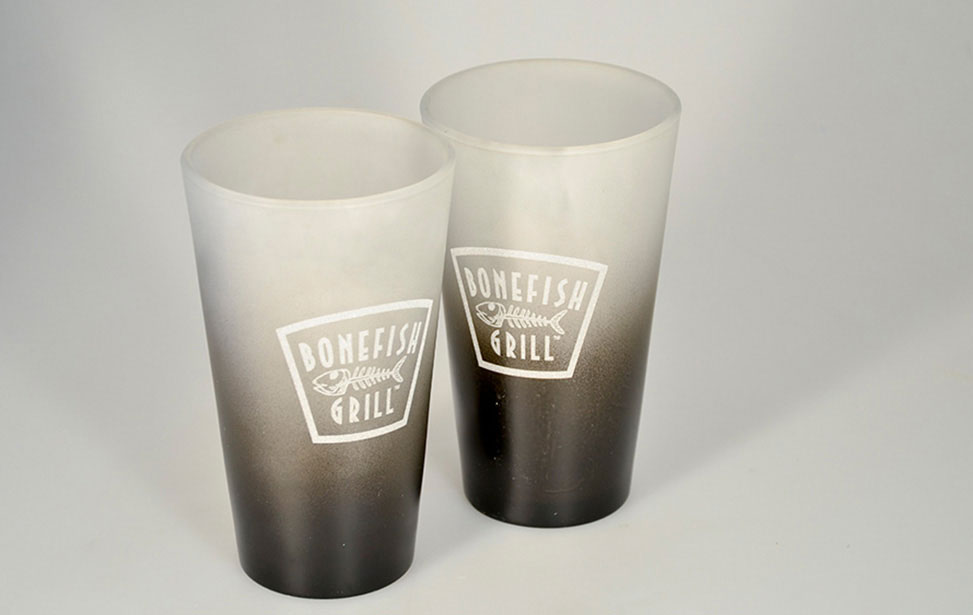
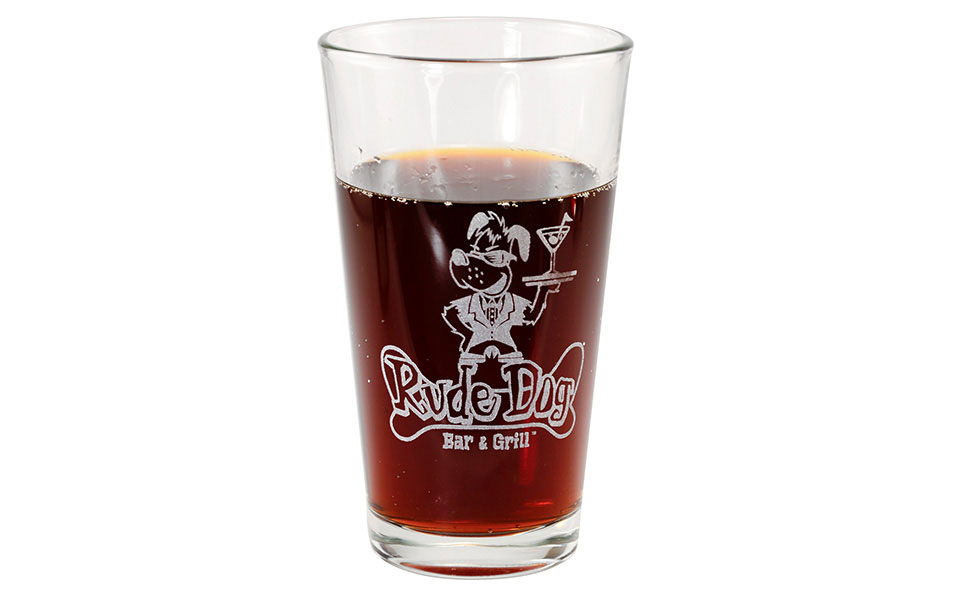
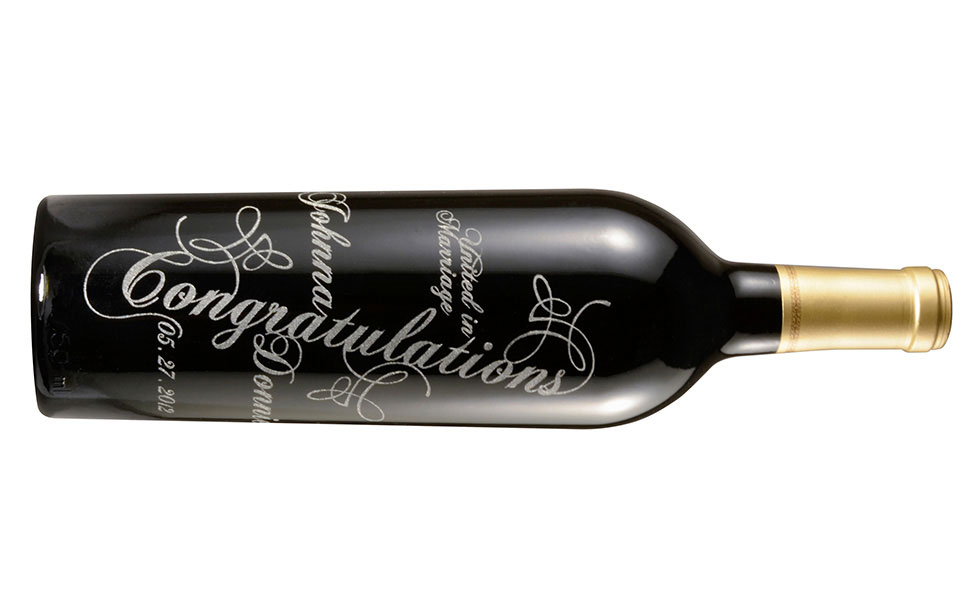
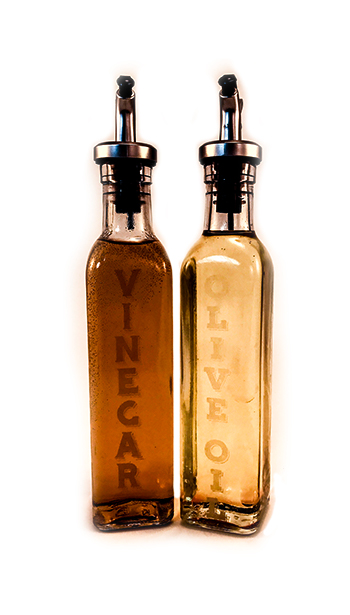
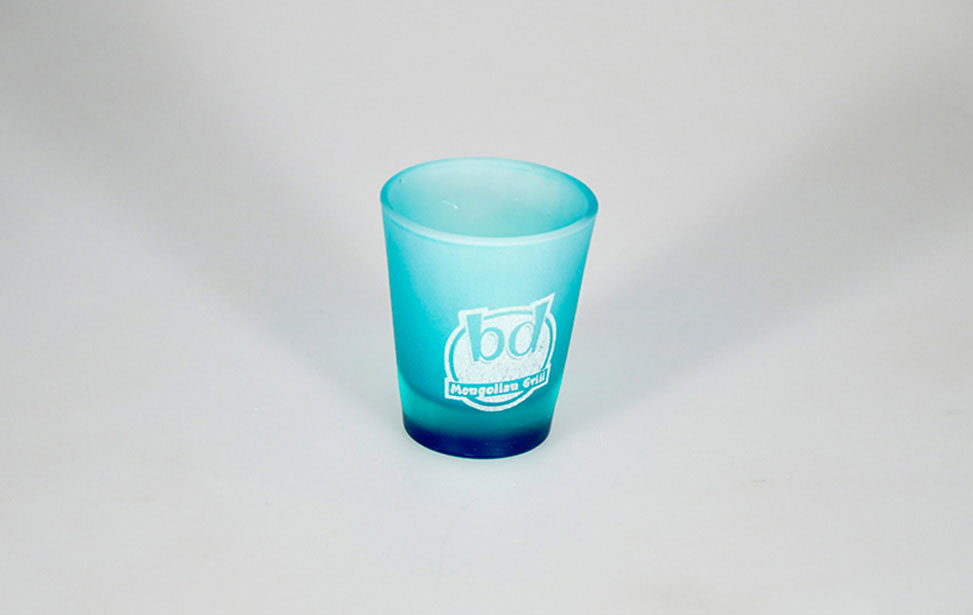
Che si tratti di bicchieri da birra, bicchierini da liquore, tazze da caffè, bicchieri da vino, bottiglie di vino... beh, avete capito: i laser funzionano alla perfezione per personalizzare tutti i tipi di prodotti in vetro!

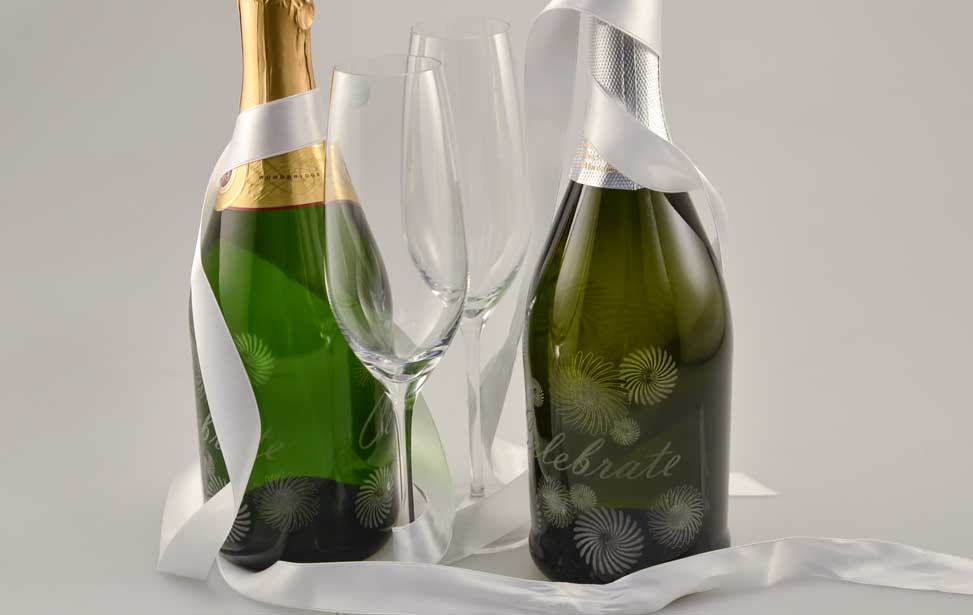
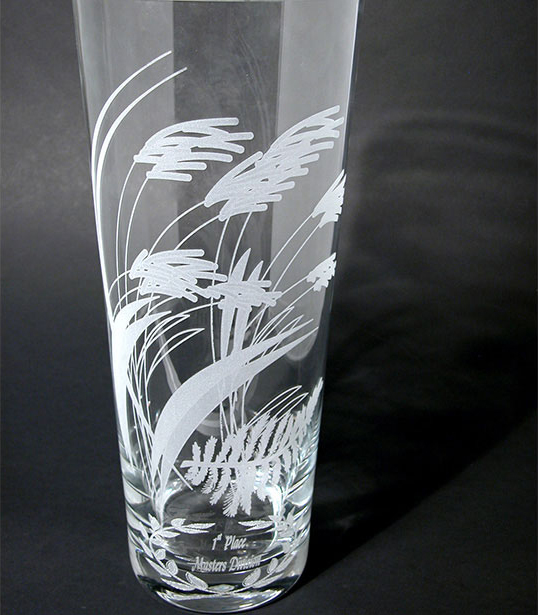
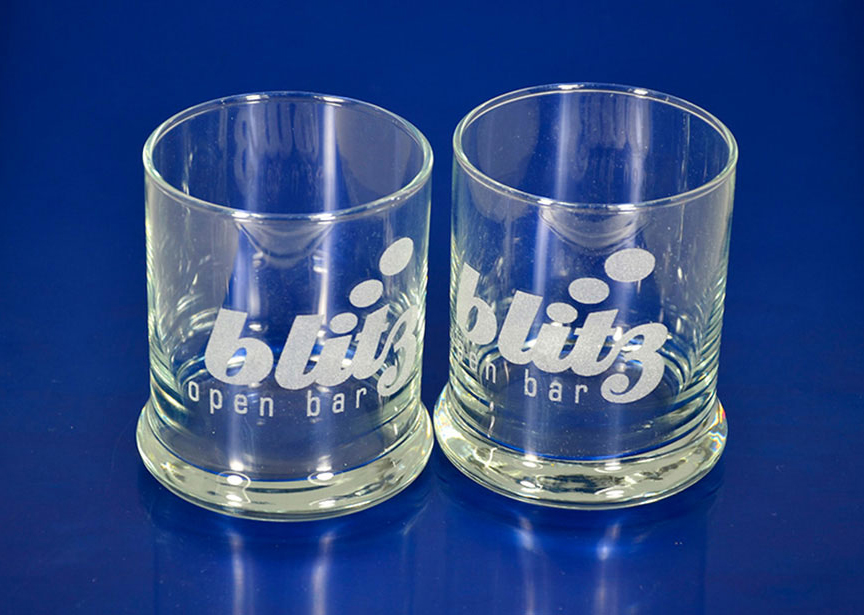
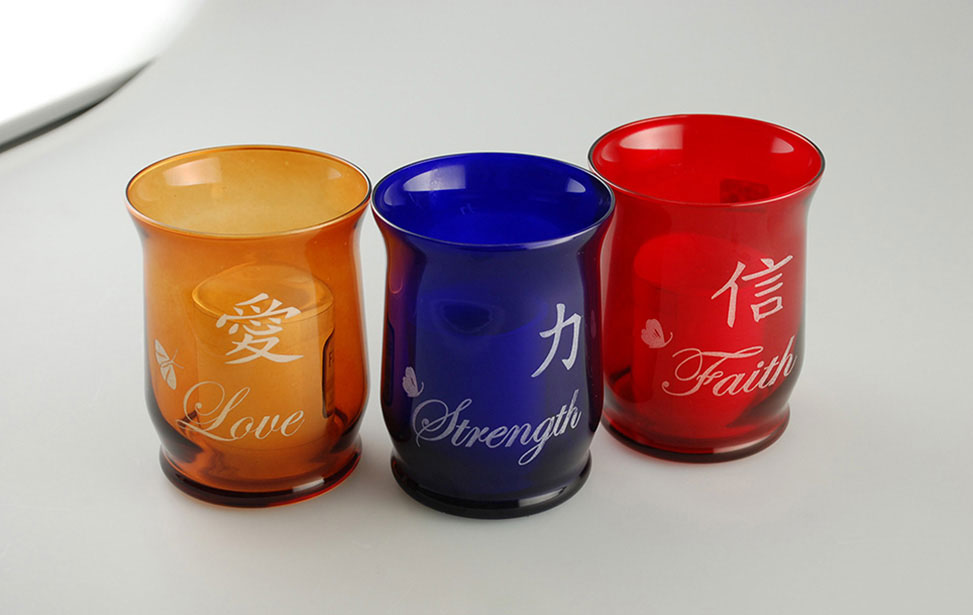
L'incisione e l'incisione su vetro con un CO2 producono un bellissimo effetto smerigliato, consentendo di incidere loghi e disegni personalizzati su quasi tutti i prodotti in vetro.

L'accessorio rotante opzionale di Epilog rende semplicissimo preparare gli oggetti in vetro per l'incisione! Il rotante consente di posizionare facilmente bicchieri, tazze, vasi e bottiglie di vino di diverse dimensioni per l'incisione. Il rotante ruota l'oggetto mentre il laser incide il motivo. Non sono necessarie misurazioni particolari per creare queste incisioni personalizzate!

Creatività

Cosa si può creare con un laser?

Vetreria di marca

Rafforza il tuo marchio incidendo il tuo logo, il nome della tua azienda o grafiche personalizzate su bicchieri da birra, bicchieri da vino, flûte da champagne, tazze da caffè, piatti da portata e altro ancora.

Regali personalizzati

Trasforma il tuo regalo da banale a straordinario incidendo su misura bicchieri e bicchieri con il nome del destinatario o un disegno per celebrare l'occasione.

E altro ancora...

Le possibilità sono infinite quando si utilizza un Epilog Laser progetti di incisione su vetro. Che si tratti di lanciare un nuovo prodotto, personalizzare i propri articoli promozionali o semplicemente incidere un regalo per un amico, un sistema laser può aiutarti a creare più velocemente e con una qualità superiore. Tutto ciò che serve è un po' di immaginazione e un Epilog Laser!

Incisione facile!

Stampa con la tua stampante laser da qualsiasi software di grafica

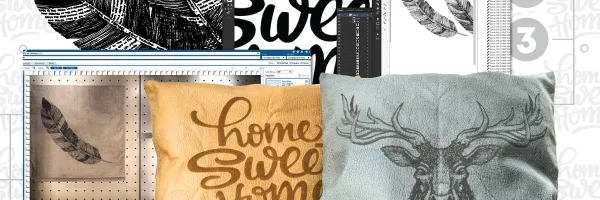
Le macchine laser funzionano in modo simile alle stampanti da ufficio, quindi il processo è semplice. Tagliare e incidere con un Epilog è facile come seguire questi tre passaggi: seleziona il tuo disegno e stampa, configura il laser per il tuo materiale con le impostazioni di velocità e potenza, e premi GO per avviare il laser!

Configurazione grafica

Progetta con il tuo software preferito

Impostazioni dei materiali

Assegnare velocità e potenza in base al materiale

Inizia a incidere!

Invia il lavoro al laser e premi "Go"!

Quali sono le macchine migliori per l'incisione laser su vetro?

Qualunque sia la portata del tuo progetto di incisione su vetro, Epilog Laser una macchina che soddisferà le tue esigenze, dai sistemi entry-level alle macchine top di gamma.
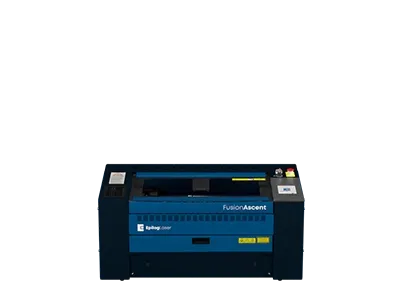
Macchina laser Fusion Ascent

Fusion Ascent

Serie Next Gen
Area di lavoro


, 24″ x 12″(610 x 305 mm)

Tipo

CO2, Fibra

Potenza

CO2: 30-60
Fibra: 30

Il nostro sistema laser compatto è disponibile in diverse configurazioni di potenza e offre velocità di incisione fino a 3050 mm/s (120 IPS). Disponibile anche con sorgente laser a fibra.

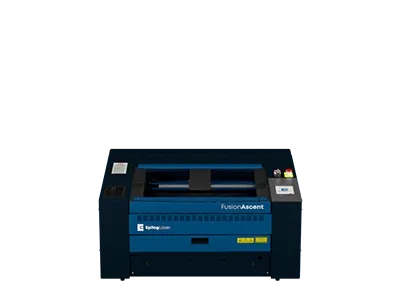
Macchina laser Fusion Ascent

Fusion Ascent

Serie Next Gen
Area di lavoro


, 24″ x 24″(610 x 610 mm)

Tipo

CO2

Potenza

CO2: 40-80
Fibra: 60

Un sistema di medie dimensioni che include il sistema di telecamere IRIS di Epilog.

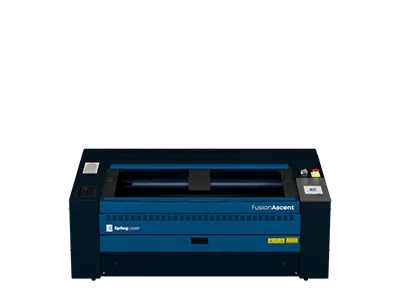
Macchina laser Fusion Ascent

Fusion Ascent

Serie Next Gen
Area di lavoro

36″ x 24″(914 x 610 mm)

Tipo

CO2

Potenza

CO2: 40-80

Il sistema più grande della Fusion Edge , Edge 36 offre un tavolo di incisione da 36" x 24" (914 x 610 mm) ed è disponibile in una configurazioneCO2 da 60, 80 o 100 watt. Edge 36 offre velocità di incisione di 3050 mm/s (120 IPS) e dispone di opzioni Ethernet, USB e wireless integrate per il collegamento in rete del laser.

loading="lazy"

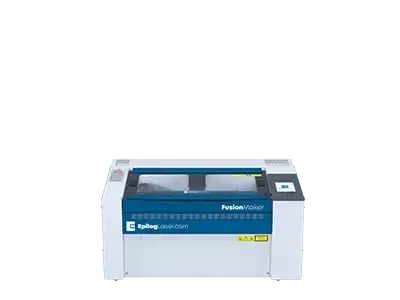
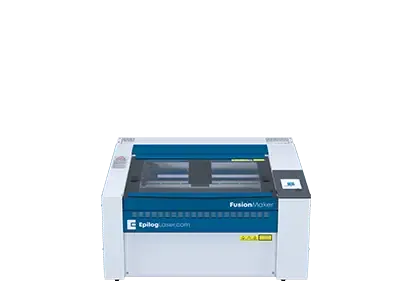
Fusion Maker 12

Serie Starter
Area di lavoro


, 24″ x 12″(610 x 305 mm)

Tipo

CO2

Potenza

CO2: 30-40

L'ultimo arrivato nella gamma laser di Epilog, Fusion Maker è stato progettato per gli hobbisti alle prime armi o i piccoli imprenditori. Questo sistema compatto offre velocità di incisione fino a 60 IPS e il nostro apprezzato sistema di telecamere IRIS.

loading="lazy"

Fusion Maker 24

Serie Starter
Area di lavoro


, 24″ x 24″(610 x 610 mm)

Tipo

CO2

Potenza

CO2: 40

Dotata di un tavolo da incisione da 24” x 24” e disponibile in una configurazione da 40 watt, Fusion Maker 24 offre agli utenti un tavolo da incisione più ampio per affrontare progetti più grandi.

loading="lazy"

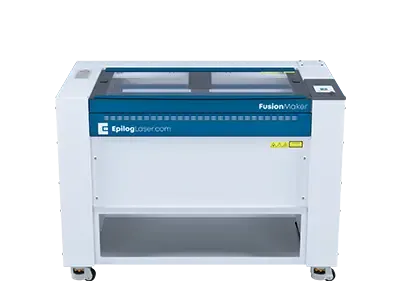
Fusion Maker 36

Serie Starter
Area di lavoro

36″ x 24″(914 x 610 mm)

Tipo

CO2

Potenza

CO2: 40-50

Il Fusion Maker 36, il più grande della serie Fusion Maker Laser, è dotato di un'area di lavoro di 36" x 24" e opzioni di configurazione da 40 o 50 watt. Tutti i sistemi Fusion Maker includono il nostro sistema di telecamere IRIS e velocità di incisione di 60 pollici al secondo.

loading="lazy"

Fusion Edge

Serie Business
Area di lavoro


, 24″ x 12″(610 x 305 mm)

Tipo

CO2, Fibra

Potenza

CO2: 50-60
Fibre: 30

Il nostro sistema laser compatto è disponibile in diverse configurazioni di potenza e offre velocità di incisione fino a 3050 mm/s (120 IPS). Disponibile anche con sorgente laser a fibra.

loading="lazy"

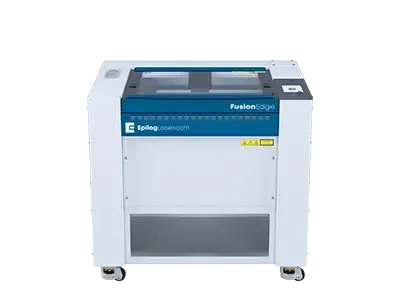
Fusion Edge

Serie Business
Area di lavoro


, 24″ x 24″(610 x 610 mm)

Tipo

CO2

Potenza

CO2: 50-60

Un sistema di medie dimensioni che include il sistema di telecamere IRIS di Epilog.

loading="lazy"

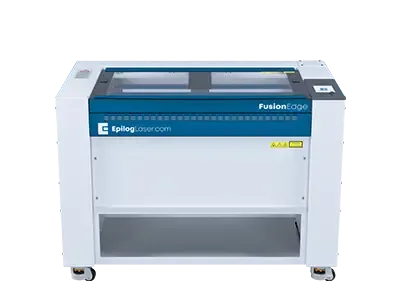
Fusion Edge

Serie Business
Area di lavoro

36″ x 24″(914 x 610 mm)

Tipo

CO2

Potenza

CO2: 60-100

Il sistema più grande della Fusion Edge , Edge 36 offre un tavolo di incisione da 36" x 24" (914 x 610 mm) ed è disponibile in una configurazioneCO2 da 60, 80 o 100 watt. Edge 36 offre velocità di incisione di 3050 mm/s (120 IPS) e dispone di opzioni Ethernet, USB e wireless integrate per il collegamento in rete del laser.

loading="lazy"

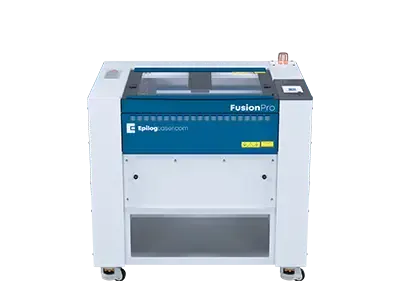
Fusion Pro 24

Serie industriale
Area di lavoro


, 24″ x 24″(610 x 610 mm)

Tipo

CO2, Doppio

Potenza

CO2: 60-100
Fibra: 60

Il più piccolo della nostra serie industriale Fusion Pro Laser, il Pro 24 è disponibile in versioni da 60, 80 o 100 watt e può essere configurato come sistema a doppia sorgente con funzionalità laser siaCO2 che fibra.

    Club campioni

    Con istruzioni dettagliate e file grafici gratuiti, ogni mese potrai trovare nuove idee per i tuoi progetti!
    club campioni vetro

    Potrebbe piacerti anche...

    Correlati a: ,
    Foto di Kelly su alluminio anodizzato nero ad alta risoluzione

    Alluminio anodizzato

    L'alluminio anodizzato è perfetto per la marcatura laser. Scopri la sua resistenza e come mette in risalto le vivaci opzioni di colore.

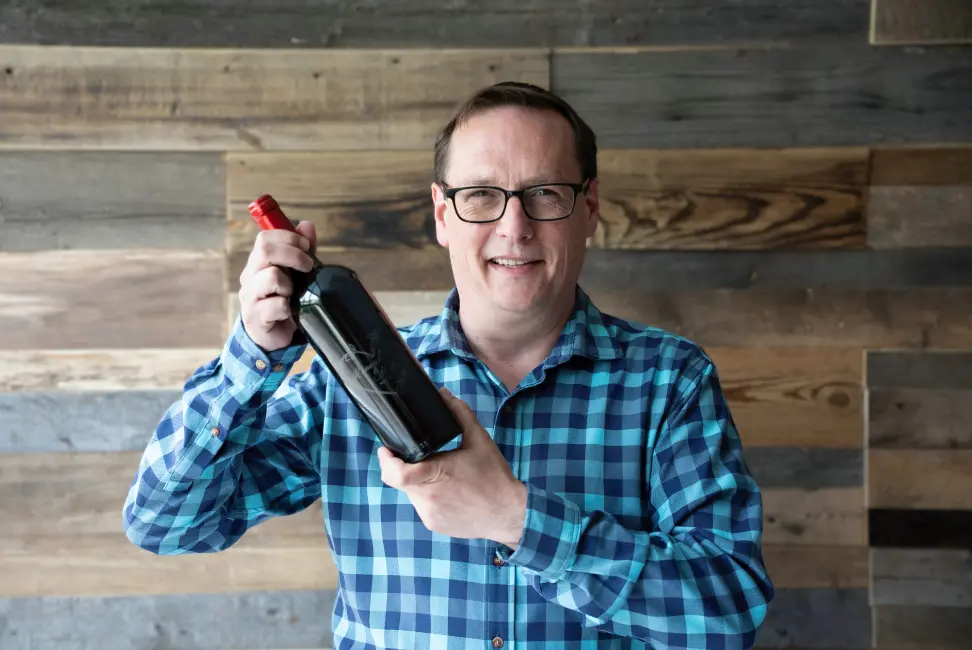
    James con bottiglia di vino

    Tecniche di incisione su vetro

    Questo entusiasmante corso, tenuto da James Stanaway, tratterà una varietà di tecniche di incisione su vetro, consigli, trucchi e molto altro ancora.

    laser engraving wood items as gifts

    Incisione e intaglio del legno

    Dalla falegnameria alla modellistica, fino alle cornici per foto, il laser viene utilizzato in tutto il settore del legno con risultati sorprendenti.

    loading="lazy"

    Taglio e incisione di segnaletica

    Crea scritte 3D personalizzate e insegne architettoniche in acrilico, legno e plastica con un CO2 di Epilog.

      Top 10 FAQs for Glass Engraving & Etching

      1. What is the best type of laser for engraving and etching glass?
      A CO2 laser is the ideal choice for glass processing. Unlike fiber lasers which pass through transparent materials, or diode lasers which lack the necessary wavelength and power, a CO2 laser’s 10.6-micron beam is absorbed directly by the glass surface. Epilog Laser’s high-quality CO2 tubes produce a precise, concentrated beam that creates microscopic fractures in the glass, resulting in a beautiful, permanent, and elegant frosted effect.
      2. Does a laser actually cut through glass, or just engrave it?
      Laser machines do not cut through glass. The process of laser “cutting” relies on vaporization, and applying that much concentrated heat directly through glass will cause it to shatter from thermal shock. Instead, the laser is used for surface etching and engraving. An Epilog Laser vaporizes microscopic chips from the glass surface, creating a gorgeous frosted, sandblasted appearance without compromising the piece’s structural integrity.
      3. How do I engrave cylindrical glass items like wine glasses or tumblers?
      To engrave rounded or cylindrical objects, you need a rotary attachment. Instead of the laser firing while moving back and forth on a flat plane, the rotary attachment automatically spins the glass as the laser fires, maintaining perfect focus along the curve. Epilog offers exceptionally precise, easy-to-install rotary attachments that accommodate a wide variety of shapes, from delicate champagne flutes to thick beer mugs, ensuring a flawless wrap-around engraving.
      4. How do I prevent glass from chipping or fracturing during engraving?
      Excessive heat buildup is the enemy of glass engraving. If the laser is too hot, it creates large fractures instead of fine frosting. The secret is utilizing lower power and higher speed. A common industry trick is to drape a thin, damp paper towel or apply a layer of liquid dish soap over the engraving area to help dissipate the heat. Epilog machines offer incredibly refined speed and power controls, allowing you to dial in the perfect settings to avoid thermal shock.
      5. What type of glass yields the best engraving results?
      Surprisingly, standard, inexpensive “soda-lime” glass (the kind used in everyday drinkware) engraves much better than expensive lead crystal. Lead crystal has higher metal content and internal stresses, which expand rapidly under a laser beam, causing unpredictable and jagged cracking. With standard glassware, an Epilog CO2 laser will consistently produce a smooth, crisp, and high-contrast frosted finish.
      6. Why does my glass engraving look rough and flaky instead of smooth and frosted?
      This is typically caused by running the laser at too high a power setting or utilizing a resolution (DPI) that is too high, causing overlapping laser dots to compound the heat and aggressively chip the glass. Epilog’s intuitive print driver allows you to easily adjust the resolution and utilize advanced dithering patterns (like the “Stucki” profile), which spaces out the laser pulses perfectly to achieve a smooth, elegant frost rather than a jagged, rough surface.
      7. Can a laser engraver be used on mirrors?
      Yes, but the process is unique. You do not have to engrave the front of the mirror. As alternative, you can place the mirror face down and engrave the specialized reflective coating off the back. You must mirror (reverse) your design in the software so it reads correctly from the front. Using an Epilog Laser, you can cleanly vaporize the reflective backing, allowing you to back-light the mirror or paint the etched area for a stunning custom piece.
      8. Do I need special ventilation when laser etching glass?
      Absolutely. While vaporizing glass doesn’t produce the strong odors of wood or leather, it does produce microscopic silica dust particles. Inhaling glass dust is a serious respiratory hazard. Epilog systems are fully enclosed and designed to integrate seamlessly with robust exhaust fans or HEPA filtration units, instantly pulling the microscopic shards and dust away from the work area, keeping the operator safe and the machine’s optics clean.
      9. Can I add color to a laser-engraved glass piece?
      While the laser itself only creates a white, frosted etch, you can easily add color post-engraving. You can apply specialized glass paint, Rub ‘n Buff, or a color-fill paste into the engraved area. Because the Epilog laser creates a textured, micro-fractured surface, the paint adheres incredibly well to the etched design, allowing you to offer premium, full-color custom glassware to your clients.
      10. Why should a business invest in an industrial laser for glass rather than a budget desktop engraver?
      Budget lasers often rely on cheap diode technology, which struggles to engrave transparent glass without painting it black first, adding unnecessary steps to your workflow. They also lack the robust mechanics needed for heavy rotary attachments. An Epilog Laser is a commercial-grade workhorse. It features permanent optic alignment, ultra-fast servo motors, and a massive Z-axis drop to accommodate tall glassware. The precision, speed, and reliability of an Epilog system mean you can process complex, fragile glass orders rapidly and profitably, day in and day out.

      Richiedi informazioni

      "*" indica i campi obbligatori

      Questo campo è utilizzato a fini di convalida e non deve essere modificato.

      Informazioni di contatto:

      Preferenza per la macchina?

      Indirizzo:

      Indirizzo:
      Rappresento una scuola o un'università
      Accetto di ricevere e-mail di marketing e promozioni speciali.
      Informativa sulla privacy*
      Corso di perfezionamento sul laser

      Master class sul laser: tecniche di incisione su vetro

      tempo